Certified Registered Nurse Anesthetists (CRNAs) at a Glance
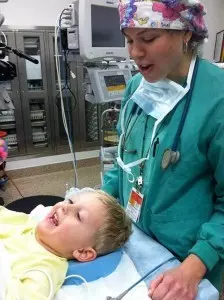
Certified Registered Nurse Anesthetists (CRNAs), also known as nurse anesthesiologists, are highly educated, nationally certified advanced practice registered nurses who provide anesthesia and related care to patients across the United States. Nurse anesthetists have a history of providing anesthesia care in the United States dating back to the Civil War.
The CRNA credential was established in 1956, which has grown to a vast network of CRNAs who provide approximately 58 million anesthetics each year in the United States. Their education and clinical expertise prepare them to assess patients, develop and implement individualized anesthesia plans, manage patients throughout procedures, and provide care during recovery.
|
 |
CRNAs Expand Access to Anesthesia Care
CRNAs play a critical role in ensuring access to anesthesia services, particularly in rural and medically underserved communities. According to the American Association of Nurse Anesthesiology (AANA), CRNAs constitute approximately 80% of anesthesia providers in rural America. Their contributions help hospitals and healthcare facilities maintain access to surgical services, obstetric care, trauma stabilization, and other procedures requiring anesthesia.
CRNAs practice in a wide range of clinical environments, including large academic medical centers, community hospitals, critical access hospitals, ambulatory surgery centers, obstetric units, dental and physician offices, pain management settings, and military and federal healthcare facilities.
|
|
Patient Safety, Quality, and Outcomes
Patient safety is central to the practice of every CRNA. Nurse anesthesiologists provide comprehensive anesthesia care, including pre-anesthesia assessment, airway management, administration of anesthetic medications, continuous monitoring of patients' physiological status, management of emergencies, and post-anesthesia care.
Research comparing anesthesia care models has found comparable patient outcomes across many clinical settings. The evidence supports the importance of qualified anesthesia professionals, appropriate clinical resources, and systems that promote safe, effective care. CRNAs contribute to these goals through advanced clinical preparation, ongoing competency assessment, continuing education, and professional accountability.
Professional Autonomy and Scope of Practice
CRNAs are advanced practice registered nurses who practice within applicable state laws, regulations, and professional standards. Depending on the practice setting and jurisdiction, CRNAs may provide anesthesia services with substantial autonomy or as part of a collaborative healthcare team.
In 2001, the Centers for Medicare & Medicaid Services (CMS) established a process allowing state governors to opt out of the federal Medicare physician-supervision requirement for CRNAs in specified facilities. As of 2026, 27 states have opted out of this federal requirement, allowing hospitals and clinics the flexibility to utilize CRNAs to fullest extent of their education and training.
CRNAs collaborate with surgeons, anesthesiologists, gastroenterologists, dentists, podiatrists, and other healthcare professionals as appropriate to the patient's needs and the requirements of the clinical setting. Their practice is grounded in nursing education, advanced anesthesia training, national certification, and applicable regulatory requirements.
The CRNA Workforce
The profession continues to grow to meet the nation's anesthesia care needs. According to the AANA, there are more than 71,000 CRNAs currently practicing the United States. Colorado is home to 2 accredited nurse anesthesia programs, training providers to meet the needs of Colorado residents.
CRNAs work in a variety of roles, including direct clinical care, education, research, leadership, quality improvement, and healthcare policy. They are important contributors to the development of evidence-based practice, patient safety initiatives, and the future of anesthesia care.
Nurse anesthetists have a longstanding history of providing anesthesia care in the military as well. Today, CRNAs contribute to military medicine and provide care in facilities operated by the Department of Veterans Affairs, the Department of Defense, and other federal healthcare agencies.
|